
Why #WeAreAllKikuyus Is Trending in Kenya and What It Really Means
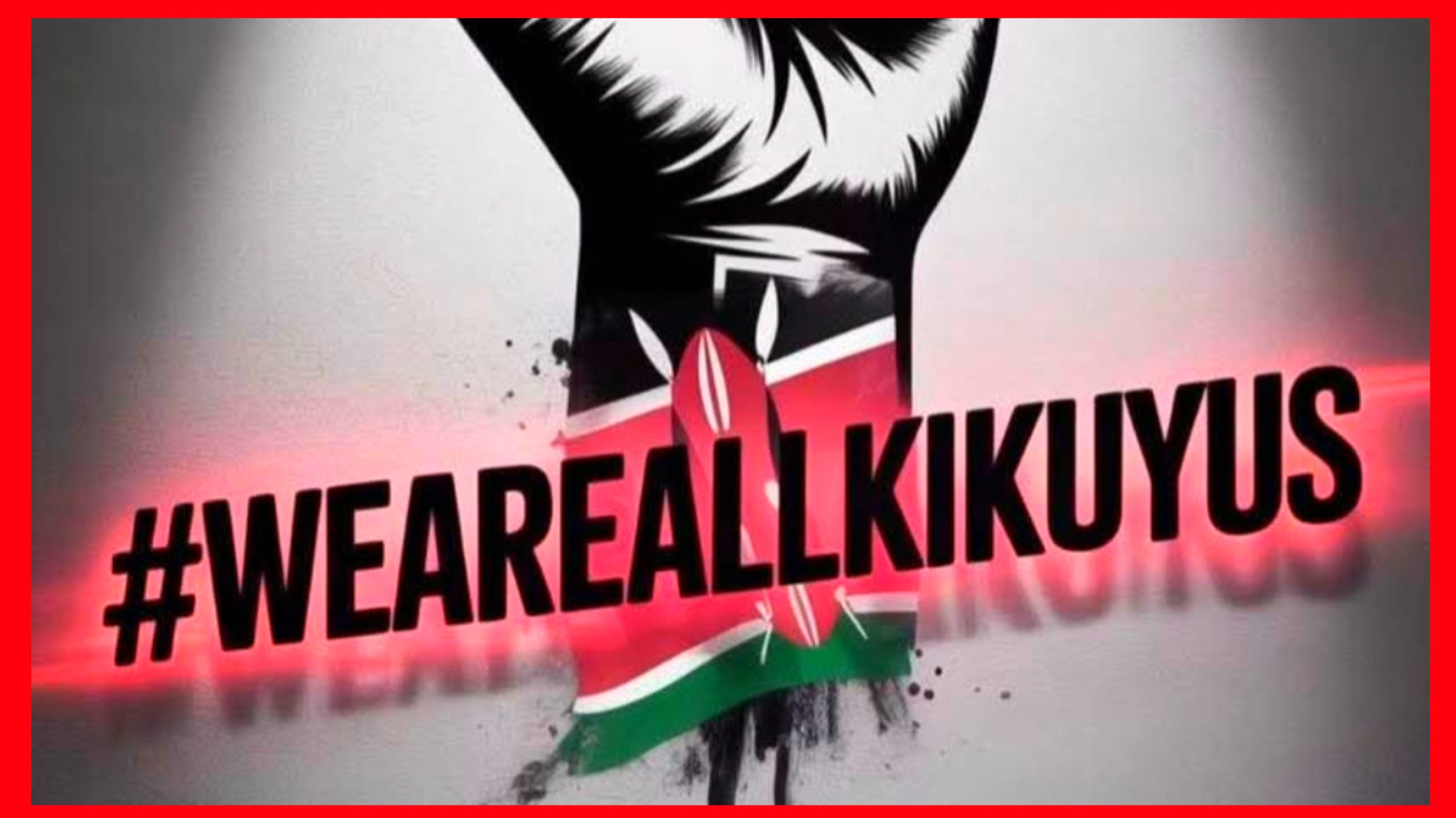
The hashtag #WeAreAllKikuyus is currently trending on X (formerly Twitter), capturing the attention of millions of Kenyans both online and offline. The hashtag emerged in the aftermath of the Saba Saba protest held on July 7, 2025, a nationwide demonstration largely driven by Gen Z demanding accountability, reforms, and justice. But what started as a peaceful protest quickly turned into a moment of tension — not just politically, but tribally.
Kikuyus Blamed for Organizing Protest and Looting
After the protests, a false narrative began spreading online: that members of the Kikuyu community had planned the Saba Saba protest and were behind acts of looting reported in parts of the country. Certain posts on social media attempted to single out the Kikuyu people as the driving force behind the chaos, portraying them as the instigators of unrest and violence.
This blame sparked outrage — not just from Kikuyus, but from Kenyans across the nation who knew the Saba Saba protest was a collective effort involving all communities. The accusation was widely seen as an attempt to divide the country along tribal lines at a time when unity was most needed.
Kenyans Push Back with #WeAreAllKikuyus
In response, Kenyans came together to reject tribal scapegoating. The hashtag #WeAreAllKikuyus exploded online as people from all ethnic backgrounds began publicly identifying with the Kikuyu community, symbolically giving themselves Kikuyu names and declaring their solidarity.
“My name is Kiptoo but today I’m Kamau. Because tribalism has no space in this movement. #WeAreAllKikuyus”
“I’m Achieng’ and I support justice. Saba Saba was not a Kikuyu thing. It was a Kenyan thing. #WeAreAllKikuyus”
By embracing Kikuyu names such as Wanjiku, Mwangi, Njeri, and Njuguna, Kenyans sent a clear message: No one tribe should be blamed for a protest that represents the voices of a nation.
The hashtag reflects more than just support for Kikuyus — it represents a bold stand against tribalism. Many Kenyans are tired of ethnic divisions being used as political tools to weaken national unity. The Saba Saba protest was organized and attended by Kenyans from all 47 counties. The push for change, accountability, and justice was — and still is — a national cause, not a tribal agenda.
By uniting under #WeAreAllKikuyus, Kenyans have shown that they are not willing to be manipulated into turning against each other. This show of unity mirrors a new generation’s desire to build a post-tribal Kenya, where people are judged by their actions, not their surnames.


